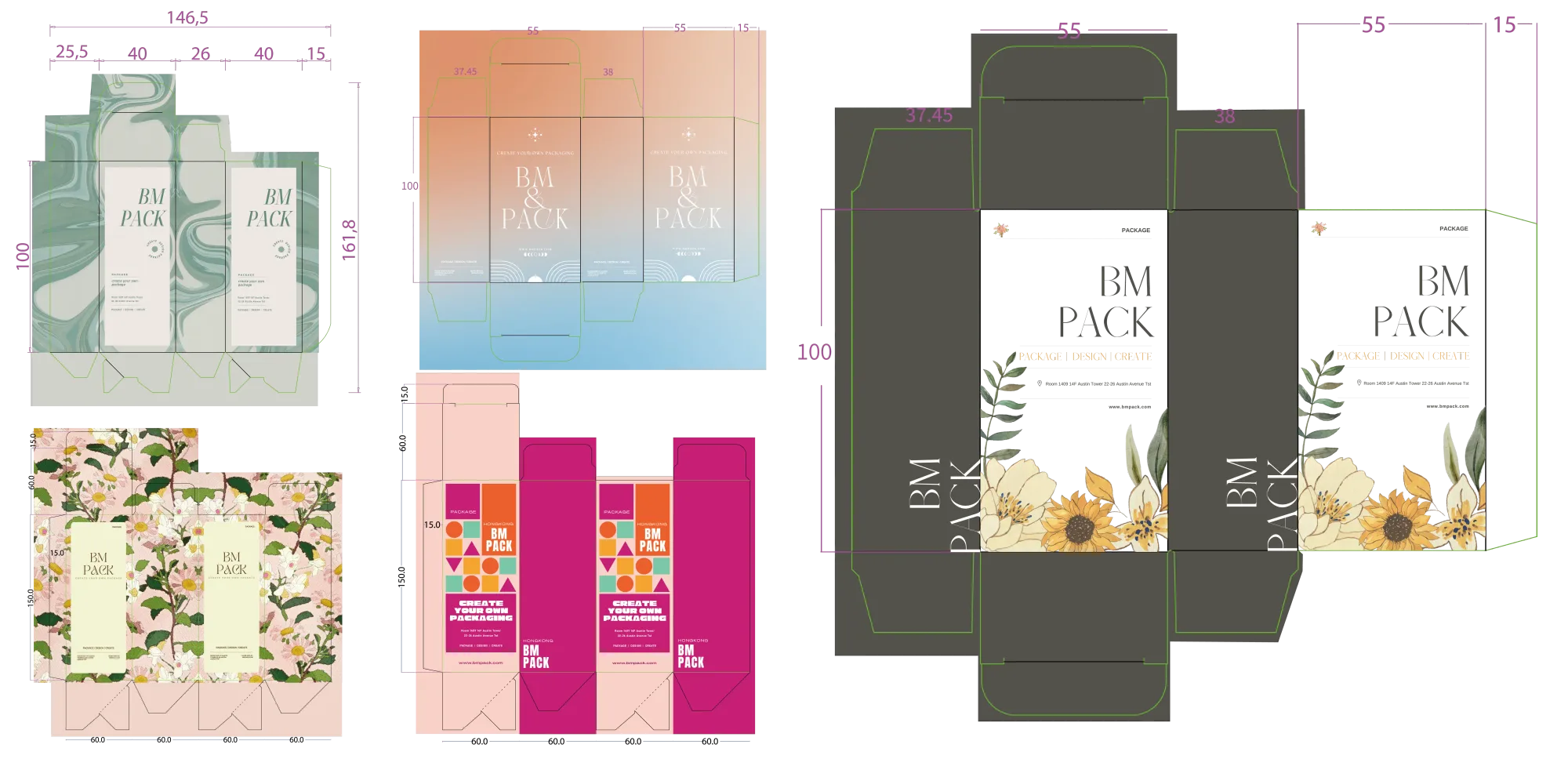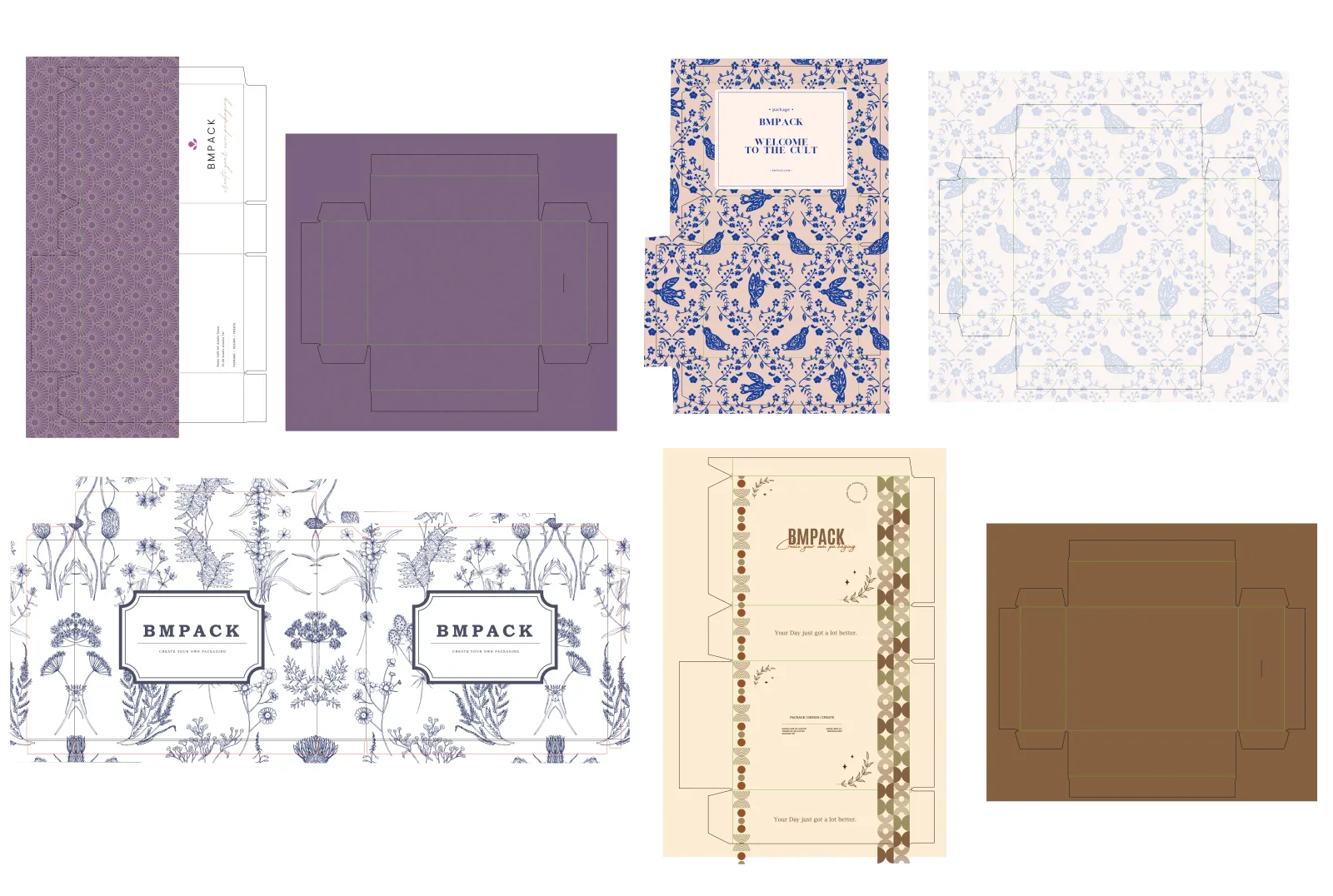
Four families of paper cover almost every box we print. Each section below is one family: what it is, what it prints like, and the products that use it.
Two numbers describe them. Grammage (gsm) is the weight of one square metre — higher means stiffer, not always thicker. Flute is the wave inside corrugated board; single layer or double.
The four families at a glance
- White cardboard 白卡
- 350-400gsm. The cleanest print surface. Retail cartons, sleeves, backing cards.
- Kraft 牛皮
- Natural brown or bleached white. Bags, eco packs, one-colour logos.
- Corrugated 瓦楞
- A fluted layer between two liners. Anything that goes through a courier.
- Greyboard 灰板
- 1,200gsm board wrapped in printed paper. Rigid gift boxes only.
Everything below is priced on the product pages: pick the stock there and the unit price updates with it.
White cardboard (白卡): the retail default
A single sheet, coated on the printing side. Colour sits exactly where you put it, which is why shelf packaging almost always starts here. 350gsm is our standard; 400gsm for a taller box or a heavier product.
Two surfaces to choose from: matte art card reads calm and modern and is the safer bet for photography; textured card has a fine grain that feels more expensive in the hand but softens fine detail, and spot UV does not sit well on it.
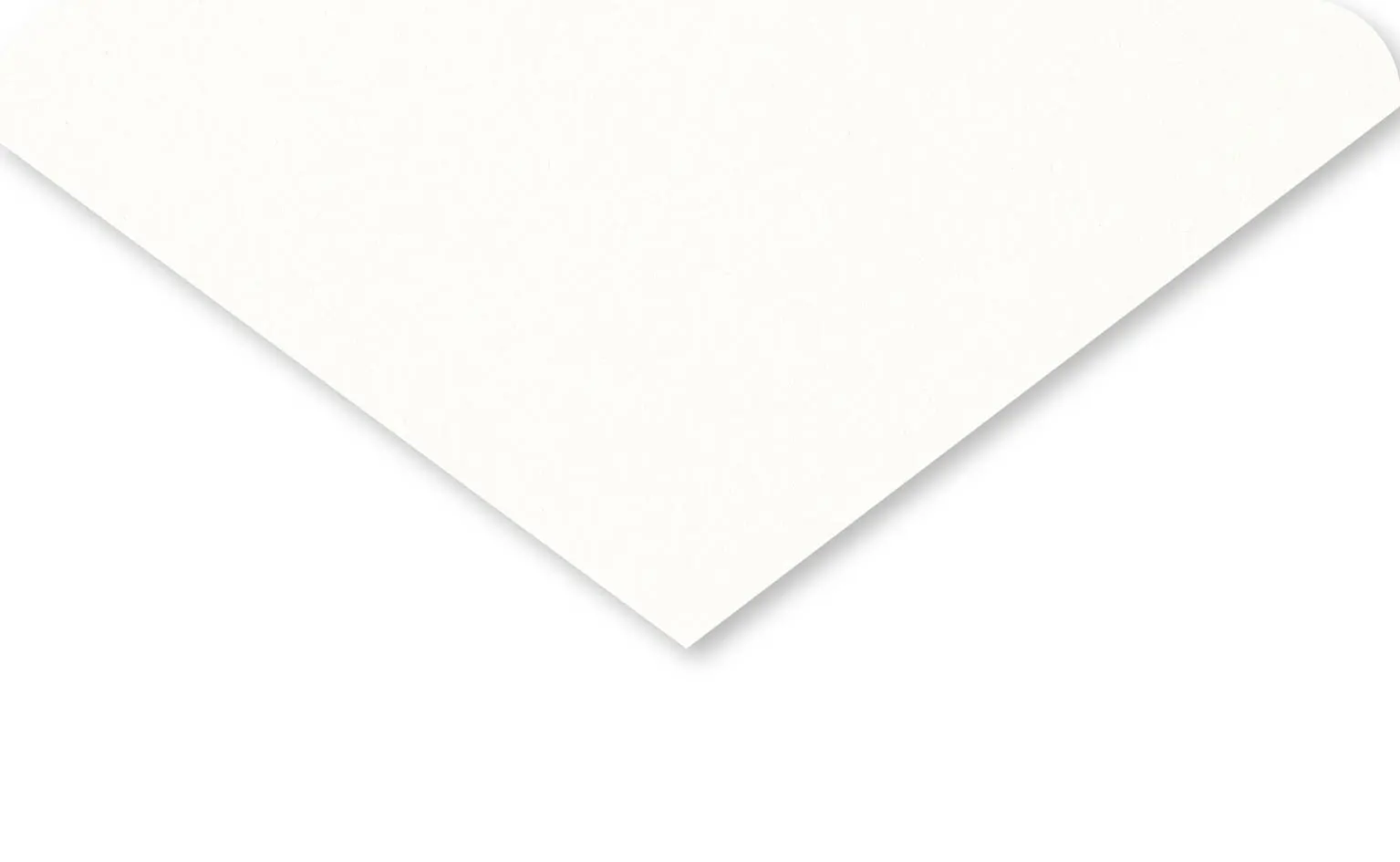
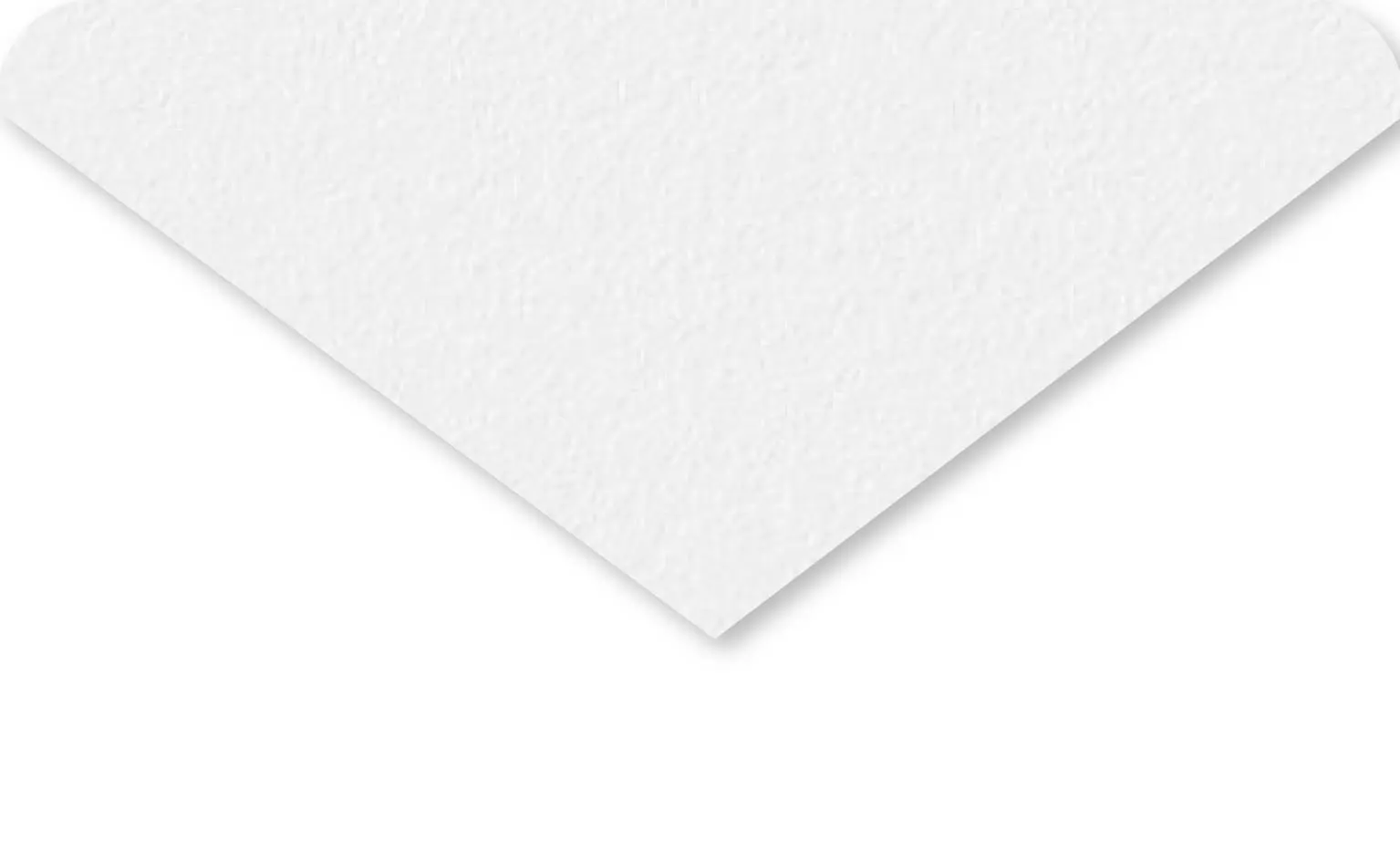
Tip: Matte lamination on 350gsm is the most common finish we ship: it resists scuffing and stops fingerprints showing on dark colours.
Tip: Going from 350 to 400gsm costs a few per cent, far less than most people expect.
Kraft (牛皮): natural, and cheap to brand
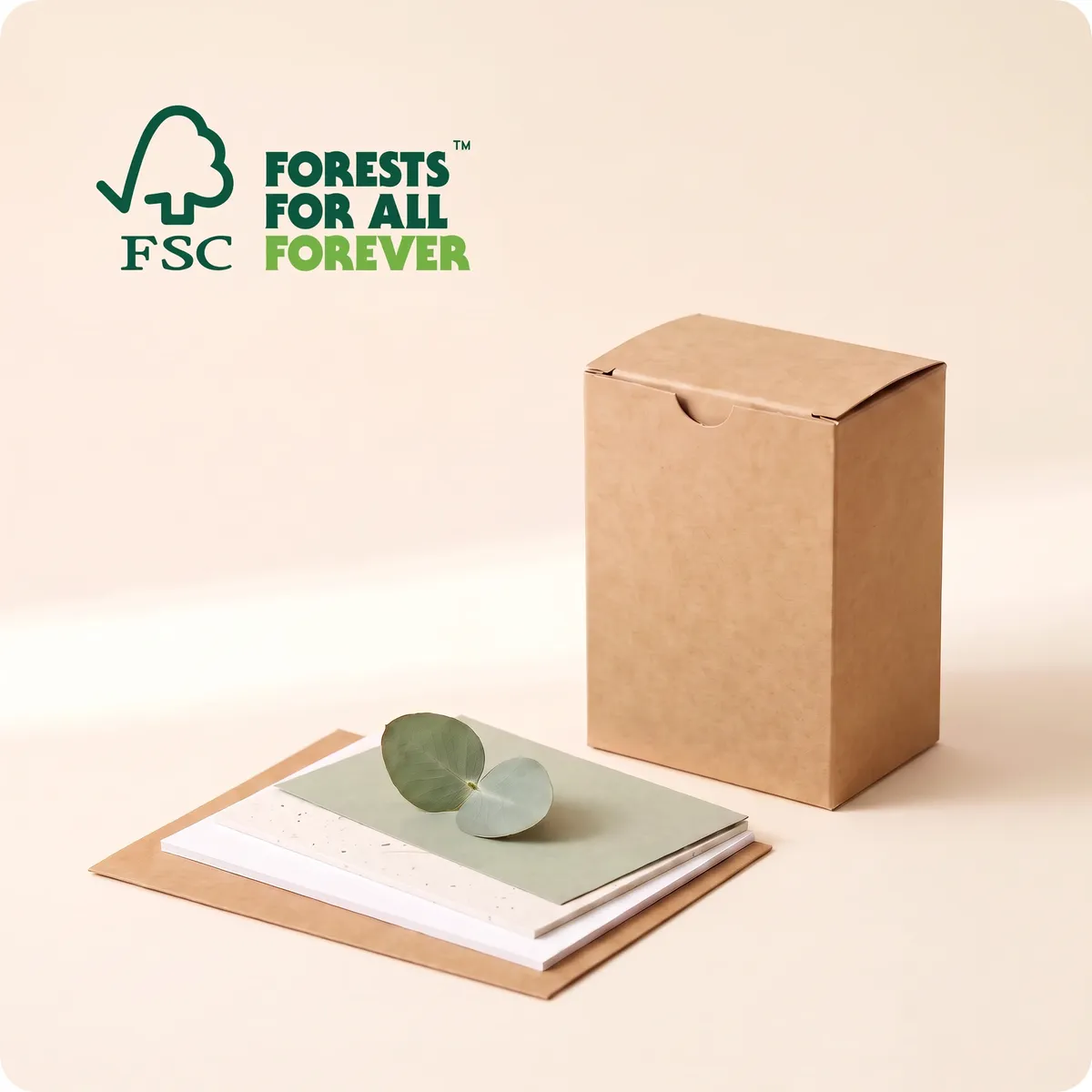
Long-fibre paper, strong for its weight, in natural brown or bleached white. Brown kraft takes one-colour printing beautifully — a black logo on brown is the cheapest branded packaging there is, and it never looks cheap.
White kraft is the same fibre bleached, so full-colour artwork keeps its colour instead of shifting warm. It is what we use when a paper bag carries a photograph or a brand colour that has to match.
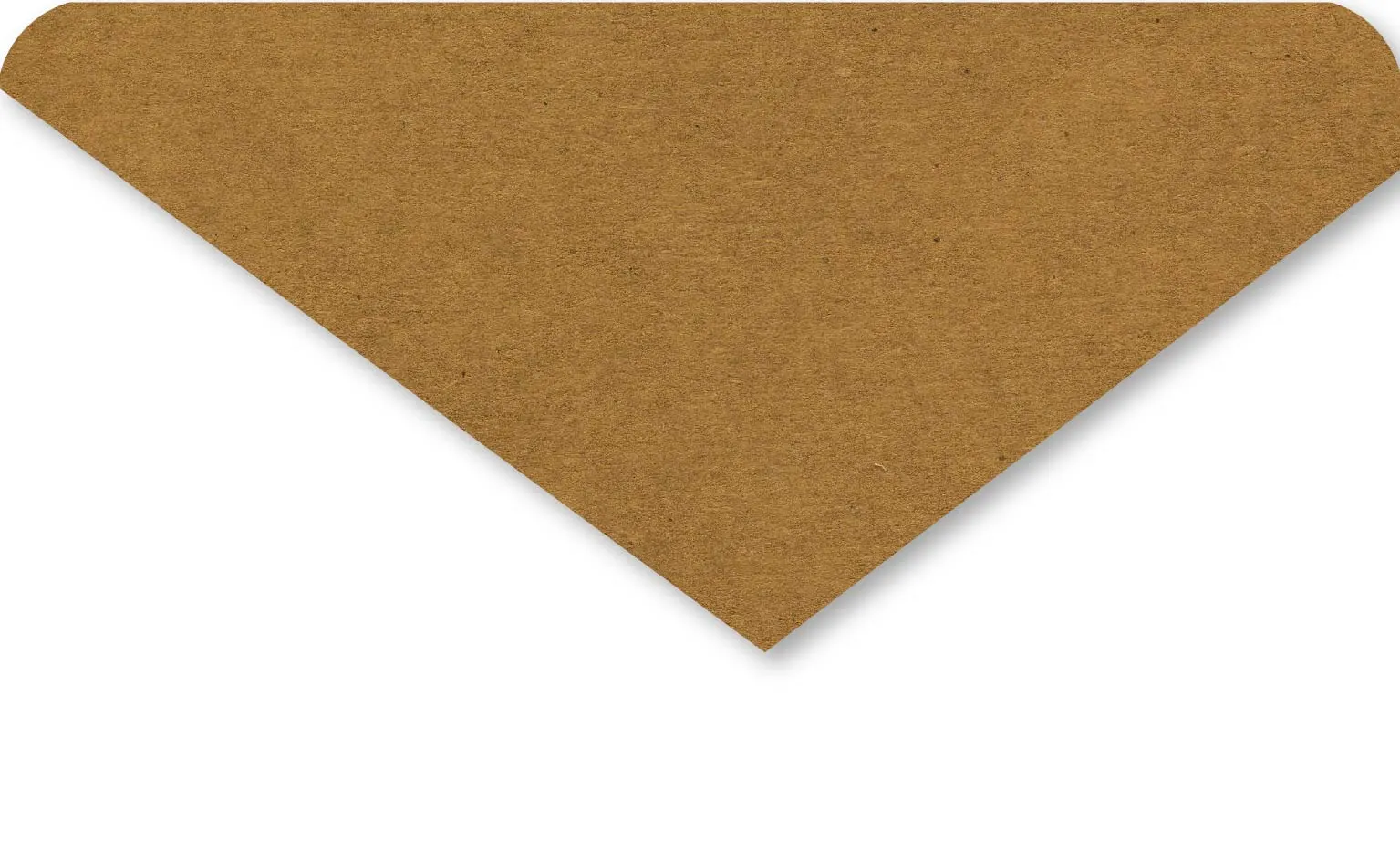
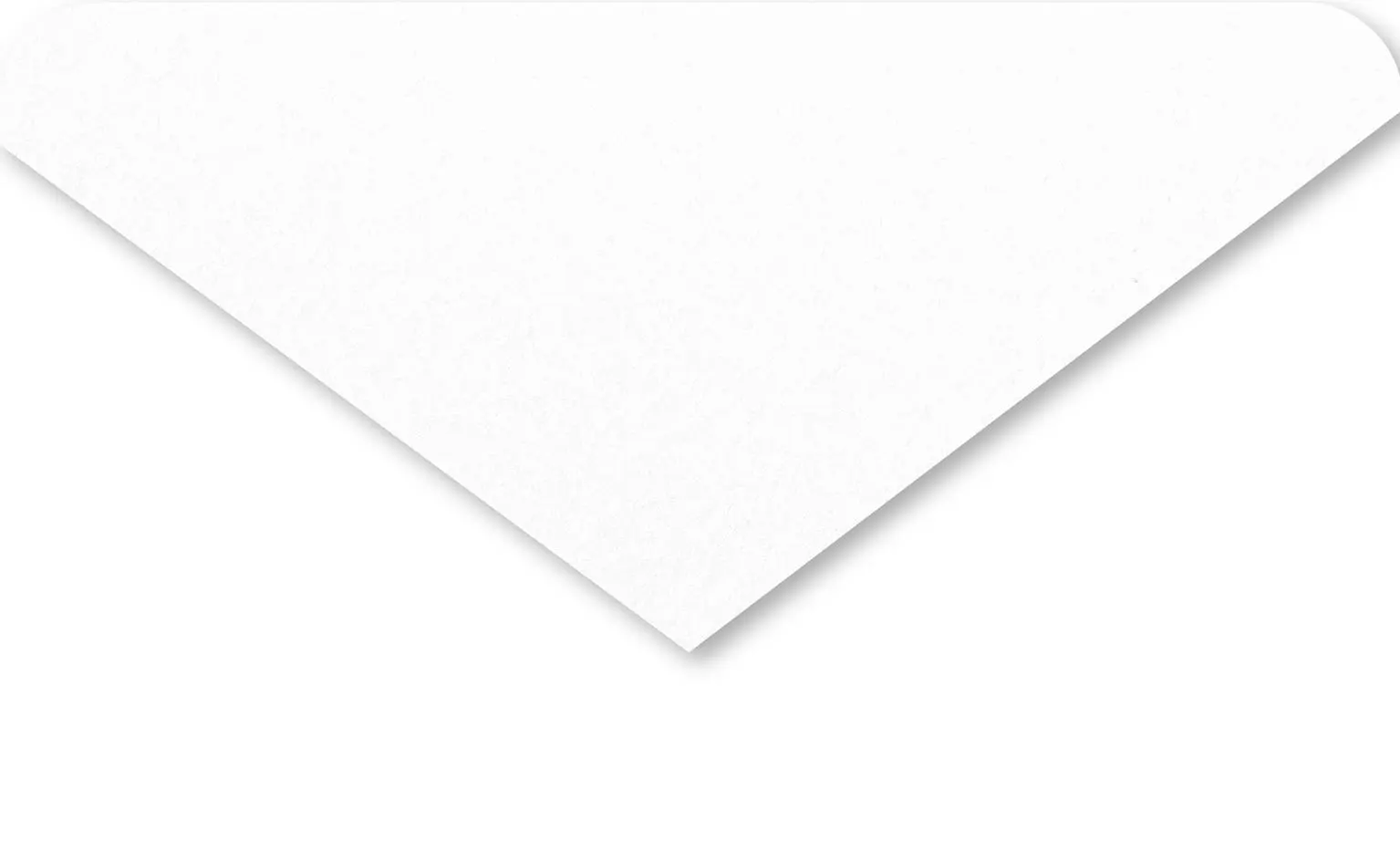
Tip: Brown kraft shifts any ink towards warm. Check a printed sample before committing to a brand colour on it.
Tip: Recycled-content and FSC-certified kraft are available; tell us early so we spec the stock with it.
Corrugated (瓦楞): for everything posted
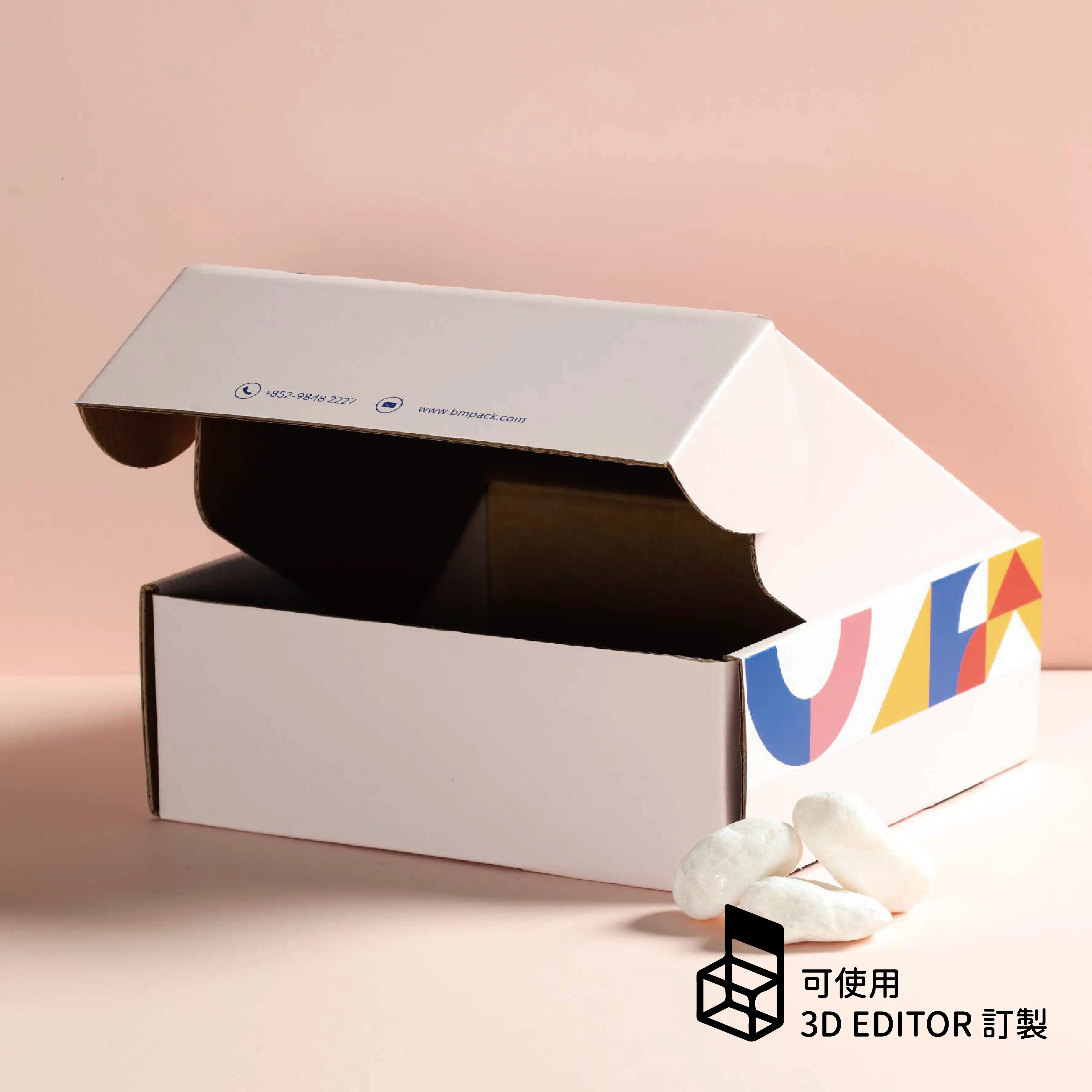
Two flat liners with a fluted layer glued between them. The flute is what absorbs a drop, and it is why a 1.5 mm board survives a courier when a 0.4 mm card would not.
Single layer covers ordinary e-commerce parcels. Double layer goes on when the box is stacked, shipped far or holds real weight. For a printed finish we laminate a white card face onto the board, so the box still prints like cardboard.
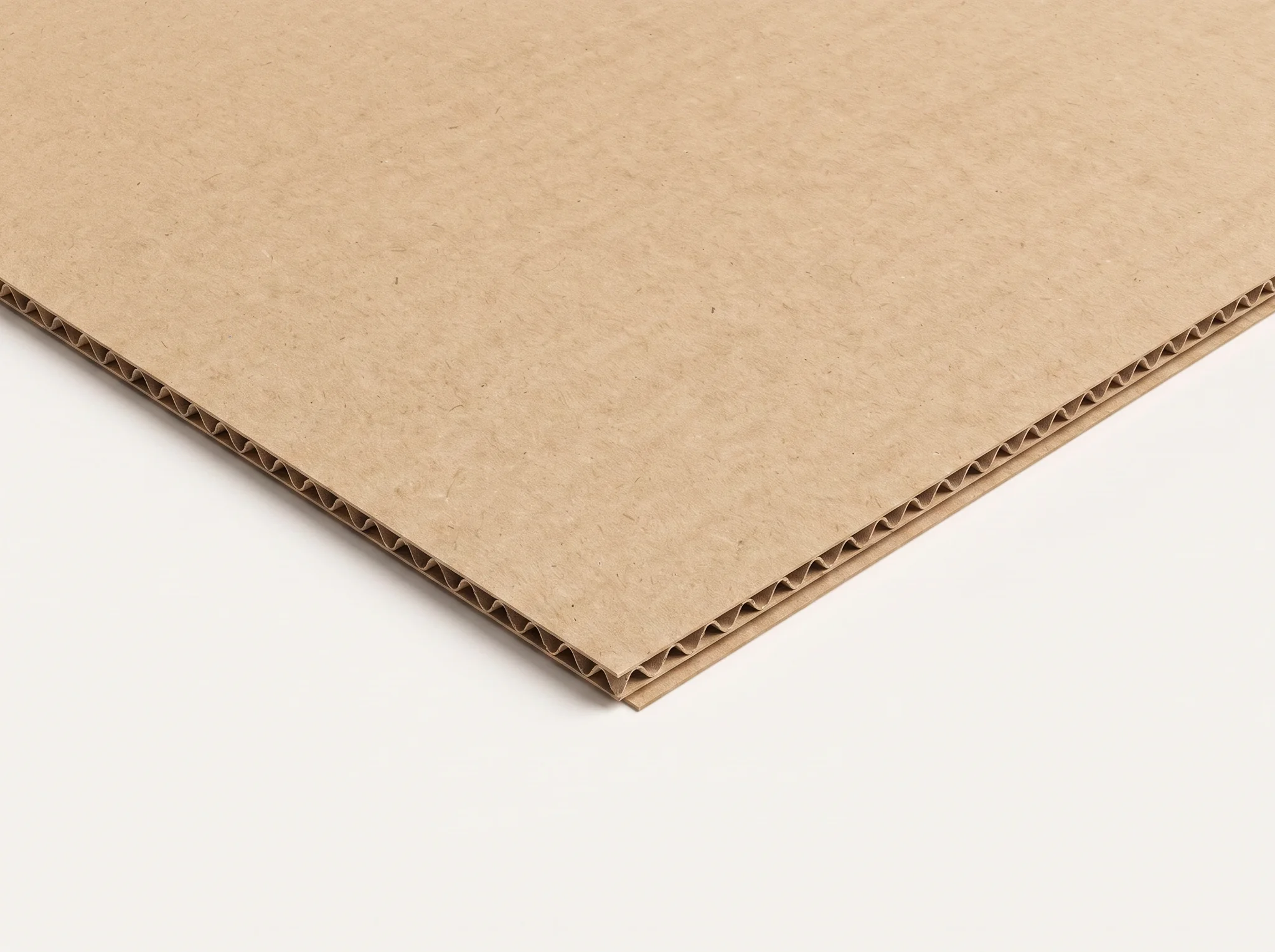
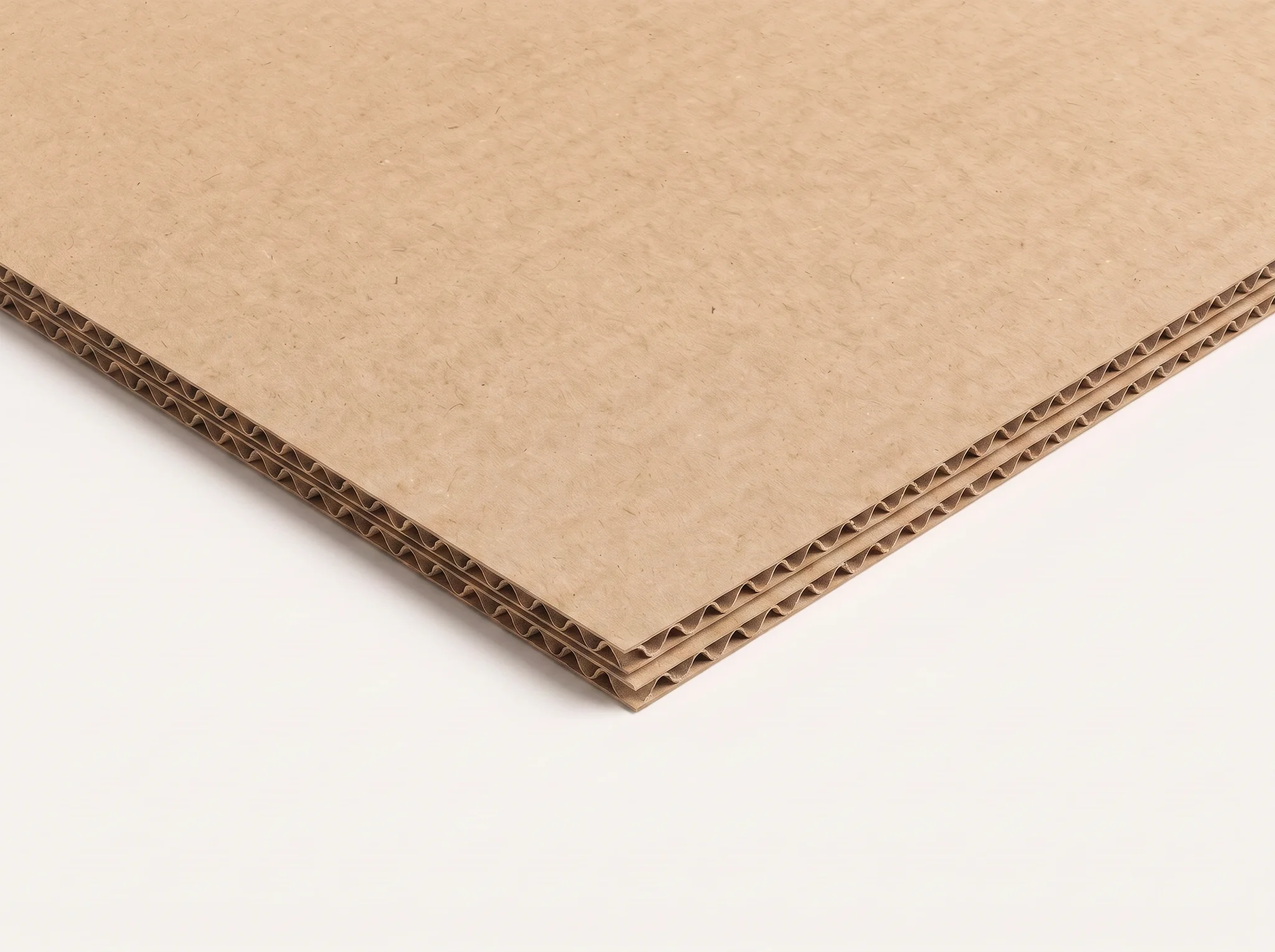
Tip: Fine lines and small type lose a little crispness on corrugated: the flute shows through. Keep text above 7pt.
Tip: Tell us the packed weight, not the box size, and we pick the liner and flute for it.
Greyboard (灰板): the rigid gift box
A rigid box is not one paper but two: 1,200gsm greyboard for the structure, and a printed 157gsm sheet wrapped around it. The wrapping is machine-fed and finished by hand at the corners; only runs in the thousands justify a fully automatic line. The board gives the weight, the wrap gives the design.
Because the wrap is a separate sheet, it can be anything: matte art paper as standard, textured or specialty paper on request, and foil or embossing on top. That is where the cost sits, and where the impression is made.
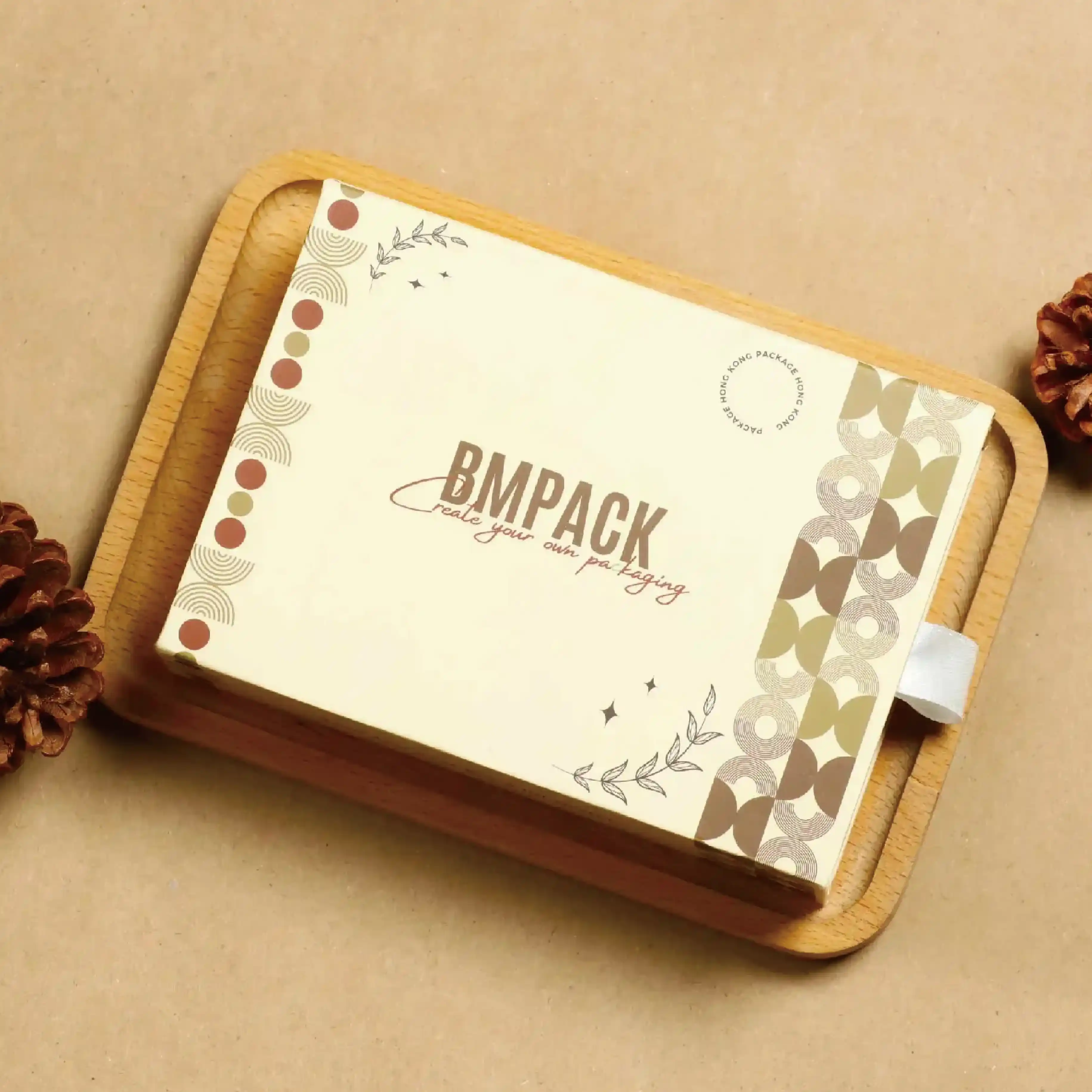
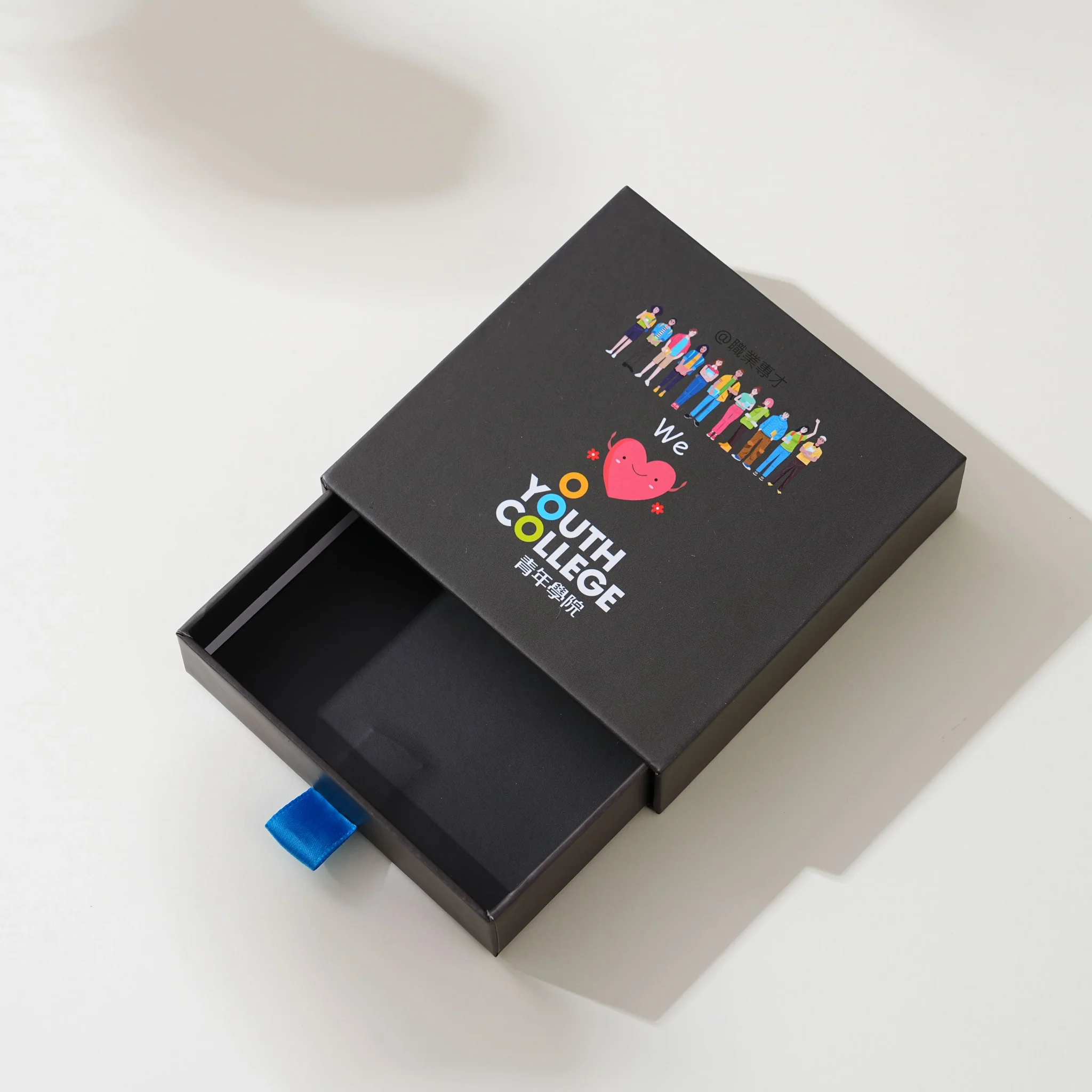
Tip: Part of the wrapping and all of the finishing is hand work, so allow 12-14 days, longer with a fitted insert.
Tip: Send us the real product: the insert is cut to it, not to the drawing.
Reading the numbers: gsm and flute
Grammage is the weight of one square metre of the sheet. On cardboard it tracks stiffness closely: 250gsm folds like a postcard, 350gsm is a retail box, 400gsm resists a squeeze, 1,200gsm is board you cannot fold at all.
On corrugated the number that matters is not gsm but the flute and the liner. Ours is E-flute, about 1.5 mm, in single or double layer, with a kraft or white face depending on how you want it printed.
Tip: A thicker sheet is not always a sturdier box. Structure does more for strength than grammage does.
Surface: lamination, foil and the rest
Matte film is the standard finish: it protects the print, resists scuffing and hides fingerprints. Gloss film saturates colour and suits food and festive packaging. Neither is available on uncoated kraft — the fibre takes the ink directly, which is the point of using it.
Foil stamping, embossing and spot UV all need a smooth coated surface to land cleanly, so they belong on white cardboard or on a rigid box wrap. Textured stocks take foil well but soften an emboss.
Tip: Every finish is priced per position on the product page: add it there and watch the unit price move before you commit.
What the stocks cost, next to each other
Paper is bought by weight, so the cost of a sheet is its grammage times the price of that stock. Two levers, then: how heavy the paper is, and how special it is. The table indexes the paper cost per square metre against 350gsm plain white cardboard, the stock most retail boxes use.
Two things the table does not say. A rigid box uses far more paper area than its footprint suggests, because the wrap folds over every edge; and on small runs the paper is rarely the biggest line on the quote — plates, die, finishing and assembly usually are.
| Stock | Paper cost per m² |
|---|---|
| 157gsm art paper (rigid box wrap) | 0.55 |
| 250gsm grey-back board | 0.6 |
| 250gsm white cardboard | 0.7 |
| 350gsm white cardboard | 1.0 |
| 350gsm black card | 2.4 |
| 1,200gsm greyboard | 2.7 |
| 250gsm natural kraft card | 3.2 |
| 350gsm textured white card | 3.4 |
Relative paper cost only, at the same printed area. Corrugated is priced by area rather than weight: from the lightest flute to the heaviest is roughly 1.0 to 1.9 on the same scale.
Tip: Moving from 350 to 400gsm in the same family adds about 14% to the paper, not to the box.
Tip: A stock that costs three times as much does not make the box cost three times as much. Ask us to quote both and compare the unit price, not the paper.
Tip: The bigger the run, the more the stock matters: setup costs spread out, so paper becomes a larger share of each unit.
Which stock for which box
Posted to a customer: corrugated, single layer, white face if it is printed in colour. Sold from a shelf: 350gsm white cardboard, matte laminated. Given as a gift: greyboard wrapped in printed paper. Carried out of a shop: kraft for everyday, white kraft or cardboard when it has to match a brand colour.
Still unsure? Order swatches. They are free, they arrive in a few days, and holding two stocks side by side settles the question faster than any description.
Paper questions
What is C1S, or 單粉紙?+
Coated one side. The printing face is smooth and coated; the back stays uncoated, which is why it glues and folds well. Most retail cartons and the wrap paper on rigid boxes are C1S.
Is kraft cheaper than white cardboard?+
At the same weight they are close. Kraft saves money a different way: one colour on brown looks intentional, so you skip full-colour print. Ask for the price both ways before deciding.
Single or double-layer corrugated?+
Single layer, about 1.5 mm, handles ordinary courier parcels and most e-commerce orders. Double layer is for heavy contents, tall stacking or long freight. Tell us the weight and we pick the flute.
Which stocks can touch food directly?+
Ask before you assume. We supply grease-resistant lamination for bakery boxes, and food-grade stock where it is needed — but it has to be specified at quote time, not added later.
Can I get FSC or recycled paper?+
Yes, on request. We confirm the stock against your quantity, size and colour before quoting, because not every weight is available in every certified grade.
Next: price it with the stock you picked
Choose the box style, enter your size, then pick the paper on the same page. The unit price updates with every change, and the formal quote confirms it after a spec check.